A two-car fender bender has one obvious defendant. A chain-reaction collision at the I-5/SR-134 interchange in Glendale, a commercial van rear-ending stopped traffic on the I-110 Harbor Freeway, or a drunk driver plowing into an intersection in Long Beach can produce four, five, or more. Multi-defendant cases are where car crash lawyers earn their keep: every additional party means another insurer, another defense firm, and another attempt to shift blame onto someone else — often the victim.
How Multiple Defendants End Up in One Los Angeles Crash Case
Southern California’s dense freeway network practically manufactures multi-party liability. Common configurations include:
Chain-reaction and pileup crashes. When several vehicles collide in sequence, fault must be allocated among every driver whose following distance, speed, or attention contributed. Accident reconstructionists work from the CHP 555 traffic collision report, vehicle damage patterns, and event data recorders to sequence the impacts.
Employer and vehicle-owner liability. If any involved driver was on the clock — delivery, rideshare, sales — their employer may answer for the negligence, bringing commercial policy limits into play. Owners who entrusted a vehicle to an unfit driver can be added as well.
Alcohol-related crashes. California’s dram shop statute, Business & Professions Code § 25602, generally immunizes alcohol vendors, and Civil Code § 1714 protects social hosts — but § 25602.1 creates a real exception when a licensed establishment serves an obviously intoxicated minor who then injures someone. In the right facts, the bar joins the defendant list.
Public entities. Dangerous roadway design, malfunctioning signals, or missing guardrails can make Caltrans, the City of Los Angeles, or Los Angeles County a defendant — with drastically shortened claim deadlines.
Allocating Fault: California’s Pure Comparative Negligence System
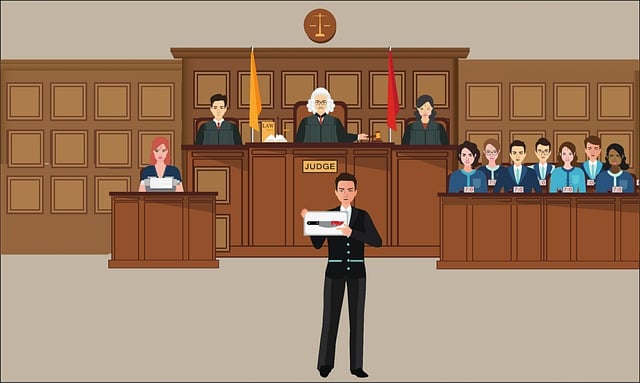
Since Li v. Yellow Cab Co. of California (1975), California juries assign each party — including the plaintiff — a percentage of fault, and a victim’s recovery is reduced by their own share rather than barred. In a multi-defendant trial at the Stanley Mosk Courthouse in downtown Los Angeles, the verdict form may allocate fault among six parties. Defense attorneys exploit this by pointing fingers at empty chairs and at the plaintiff, which is why a car crash lawyer must anticipate every alternative fault theory before trial.
The Impaired Driver as Anchor Defendant
When one of the defendants was driving under the influence, the liability math changes. A violation of California Vehicle Code § 23153 — DUI causing injury, chargeable as a felony — supports negligence per se under Evidence Code § 669, effectively locking in that driver’s breach of duty. Punitive damages also enter the picture: California Civil Code § 3294, as applied in Taylor v. Superior Court (1979), permits punishment awards against those who drink and drive in conscious disregard of others’ safety.
Victims should expect the impaired driver to mount a vigorous parallel defense. A Los Angeles drunk driving defense attorney will be contesting the traffic stop, the field sobriety tests, and the chemical breath or blood results in criminal court and at the DMV hearing — and the outcome ripples into the civil case, since a conviction becomes potent evidence of negligence while a reduced charge muddies it. Plaintiff’s counsel who understands how the defense side litigates blood alcohol concentration (BAC) evidence can anticipate the same attacks when they surface in depositions.
Why More Defendants Usually Means Better Recovery
Catastrophic injuries — traumatic brain injury (TBI), spinal cord injuries, multi-stage orthopedic reconstruction — routinely generate seven-figure damages. No single minimum-limits policy comes close: even after Senate Bill 1107 raised California’s floor to $30,000 per person and $60,000 per accident on January 1, 2025, one policy rarely covers an ICU stay. Multiple defendants mean multiple policies that can be stacked toward full compensation, spanning both economic damages (medical care, lost earnings) and non-economic damages (pain, disability, loss of life’s pleasures).
Strategy matters, though. Settling with one defendant affects setoffs against the others; a good-faith settlement determination protects the settling party from indemnity claims. These procedural chess moves are precisely why multi-defendant cases are not do-it-yourself territory.
Victims should also look to their own coverage. Uninsured/underinsured motorist (UM/UIM) benefits fill the gap when the collective defense policies still fall short, and MedPay coverage can front emergency treatment and ambulance costs regardless of fault while the liability fight plays out. A car crash lawyer inventories every policy in the case — on both sides — before recommending any settlement number.
Act Before Evidence and Deadlines Evaporate
The statute of limitations for personal injury and wrongful death is two years under Code of Civil Procedure § 335.1, but government claims must be presented within months, and physical evidence — skid marks, vehicle black boxes, surveillance video from businesses along the crash corridor — disappears in weeks. Early preservation letters to every potential defendant are standard practice for experienced counsel.
Frequently Asked Questions
Who can be sued after a multi-vehicle crash in Los Angeles County?
Every negligent driver, plus potentially employers, vehicle owners, a bar that served an obviously intoxicated minor under Business & Professions Code § 25602.1, and public entities responsible for dangerous road conditions.
What if the insurers blame me for part of the crash?
California’s pure comparative negligence rule from Li v. Yellow Cab means shared fault reduces — but never eliminates — your recovery. Disputing inflated fault percentages is a core part of a car crash lawyer’s job.
Does the drunk driver’s criminal case affect my civil claim?
Significantly. A conviction under Vehicle Code § 23152 or § 23153 can establish negligence per se under Evidence Code § 669 and open the door to punitive damages under Civil Code § 3294.